
Planning Tooth Extraction in Anchorage Before Winter Travel
Plan a Comfortable Smile Before Winter Travel
Planning tooth extraction in Anchorage before winter travel is one of the smartest ways to protect your comfort on the road or in the air. When snow, ice, and weather delays are part of daily life, getting stuck with a bad tooth can quickly turn a simple trip into a stressful situation. A little planning now can help you avoid emergency visits in an unfamiliar city or long days in pain far from care.
Many patients time their dental work, including extractions, around winter flights, holiday visits, and trips in and out of rural communities. By thinking ahead, you give yourself space to heal, adjust any medications, and ask questions before you go. In this guide, we walk through when to consider an extraction, how to plan your timing, what to expect from your visit with us, tips for winter travel after treatment, and how to keep everything as comfortable and affordable as possible.
How to Know If You Should Schedule an Extraction
Tooth extraction sounds scary to many people, but it often has a simple goal: protect your health and comfort. We may suggest removing a tooth when other treatments will not solve the problem or keep you pain-free.
Common reasons we might recommend tooth extraction include:
Severe decay that cannot be repaired with a filling or crown
A cracked or broken tooth that cannot be restored
Advanced gum disease that has loosened a tooth
Wisdom teeth that are trapped, painful, or crowding other teeth
We know many patients try to ignore pain or hope it goes away. Cost worries, fear of dental visits, or not knowing how serious the problem is can make it easy to wait. The problem is that tooth pain, swelling, or infection often gets worse, not better, especially with pressure changes during flights or long trips away from care.
If you notice any of the following, it is time to get things checked before your winter travel:
Ongoing toothache that keeps coming back
Swelling in the gums, cheek, or jaw
A tooth that has already broken or chipped badly
Pain when you bite or chew on one side
A gentle exam and X-rays can show whether a tooth can be saved with a filling, crown, or root canal, or if an extraction is the safest choice. You do not have to decide alone. When you come to Affordable Dental Care, we talk through your options together so you can feel confident about your next step. The most important step is to be seen early, so you have options and time instead of rushing right before a flight.
Timing Tooth Extraction in Anchorage Before You Fly
Once you know you may need a tooth removed, the next question is timing. Planning ahead around your winter schedule helps your mouth heal and keeps your stress low.
Healing usually follows a simple pattern:
First 24 to 72 hours, a blood clot forms in the socket and the area feels sore
First week, tenderness slowly fades and you can eat more normally
Several weeks, the bone and gums continue to close and strengthen
For most people, the most sensitive window is the first few days. That is when you want to be near your home dental team, resting, and able to call with any questions. If you can, it is better to plan your tooth extraction in Anchorage one to two weeks before a big trip, remote work rotation, or travel in and out of rural communities. That buffer gives you time for:
A follow-up visit, if we recommend it
Adjusting any pain medicine or antibiotics
Learning what is normal for your healing
Flying adds a few extra things to think about. Cabin pressure changes, long hours sitting in one spot, and limited access to care make it best to be past the early sore stage before you get on a plane. Always share your travel dates with us. Together, we can pick a treatment day that fits your flights, weather concerns, and any needed follow-ups.
What to Expect Before, During, and After Your Visit
Knowing what will happen can ease a lot of anxiety. We find that when patients feel informed, they feel more relaxed and in control.
Before your visit, our dental team will:
Review your medical history and medications
Ask about allergies and past dental experiences
Talk through your winter travel plans and timing
Answer questions and explain what to expect
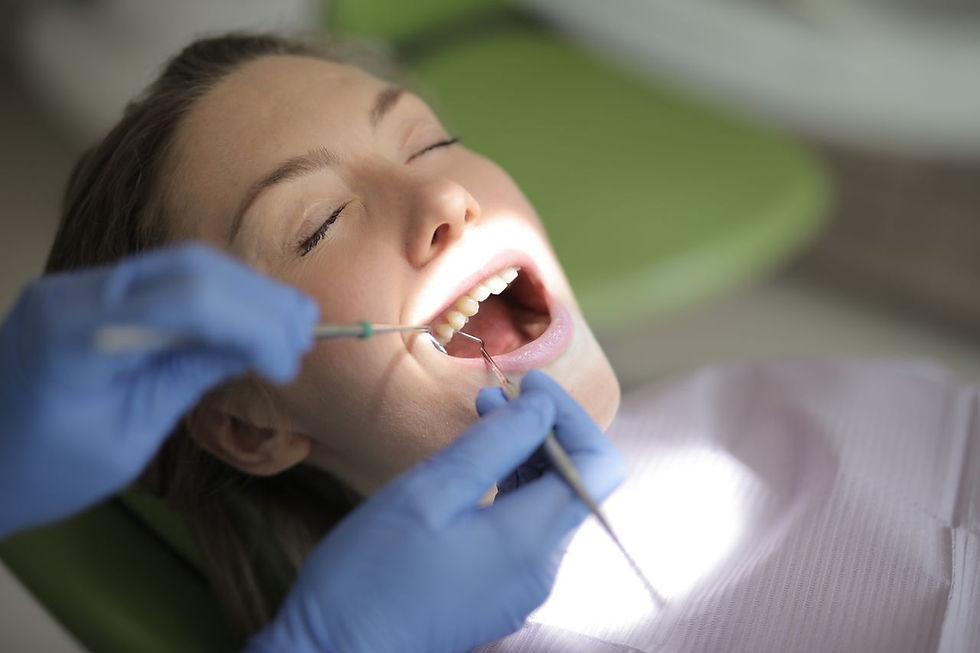
During the extraction, we use local anesthetic, which is numbing medicine placed around the tooth, so you feel pressure but not sharp pain. Our team explains each step in simple language and pauses to check on you often. You can signal any time if you need a moment.
After the procedure, most patients can expect:
Mild to moderate soreness that improves over a few days
Some swelling that usually responds to ice packs
A recommendation to rest and avoid heavy activity at first
Eating soft foods like yogurt, eggs, mashed potatoes, or soup
You will go home with written instructions and guidance tailored to your situation. Many people find it helpful to keep these in their bag, especially if they are leaving town or heading to a remote job site. If you have questions about what you feel during healing, calling us is always better than worrying in silence. We are here to reassure you and help you stay comfortable.
Budgeting and Winter Travel Self-Care After Extraction
Money worries can make it tempting to delay care, especially when you are also paying for flights, gas, and winter gear. Planning your budget ahead of time can take some weight off your shoulders so you can focus on healing.
A good way to prepare is to:
Ask us for a clear explanation of recommended treatment
Request a simple breakdown of expected fees for the extraction and follow-up
Ask about payment options like cash pricing, financing, or flexible arrangements
Share your travel and work schedule so payments and visits can be planned together
Feeling informed about costs helps you decide the timing that works best for both your health and your winter plans. At Affordable Dental Care, our goal is to provide quality care at a price that works for you, without surprises.
If you are traveling soon after your extraction, it helps to pack a small dental comfort kit in your carry-on or travel bag:
Any prescribed medications
Over-the-counter pain relievers approved by your dentist
Extra gauze pads
A copy of your written aftercare instructions
On the road or in the air, try these simple self-care tips:
Choose soft foods, especially on travel days
Avoid drinking through straws, which can disturb the clot
Sip water often to stay hydrated in dry cabin air
Plan lighter activity for the first days after flying
Call us or a nearby dentist right away if you notice increasing pain after it had started to improve, unusual swelling, fever, or anything that feels very different from what you were told to expect. Careful aftercare protects your health and helps you enjoy your winter plans without dental surprises.
Take the First Step Toward a Worry-Free Winter Trip
Tooth problems rarely wait for a quiet week. Planning tooth extraction in Anchorage before winter travel can protect your comfort on flights, at family gatherings, and on remote job sites, while giving you time to heal with support close by. A simple exam and honest conversation with our team can show whether an extraction is needed now, or if another treatment can keep you comfortable through the season.
At Affordable Dental Care Alaska, we meet patients with warmth, clear explanations, and practical options that respect both your health and your budget. We Keep Alaska Smiling in Anchorage, Wasilla, and Fairbanks, by helping you plan care around weather, work, rural travel, and family time, so you can head into winter with one less thing to worry about.
Schedule Gentle, Affordable Care For Your Smile Today
If you are worried about pain or cost, we are here to make your visit as comfortable and affordable as possible at Affordable Dental Care. Whether you need a simple removal or a more complex procedure, our team will walk you through each step so you know exactly what to expect. Learn more about our approach to tooth extraction in Anchorage and schedule your appointment so we can help you get back to a healthy, pain-free smile.


Comments